Nutrition · Family Wellness
Meal Prep for Busy Families Staying on a Healthy Track
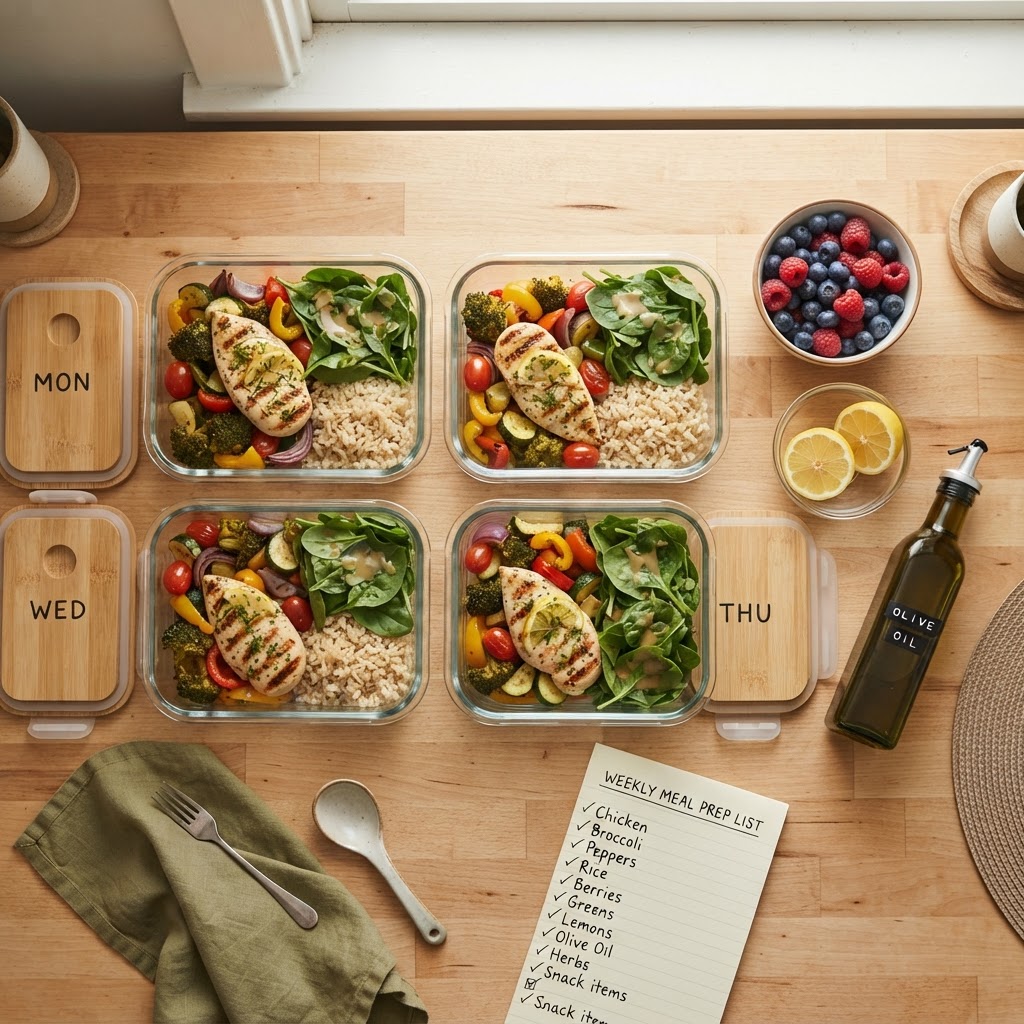
Feeding a family well is not a willpower problem — it is a logistics problem. Between school runs, work, practice schedules and everyone wanting something different, the default answer on a hard day is whatever is fastest, and that is rarely the thing that keeps anyone on track.
The fix is not more discipline. It is a smaller, repeatable system that works for the whole household — the kids, your partner, and you. Here is the approach we walk our Sherwood weight management patients and their families through.
About 90 Minutes
One prep session a week
One Base, Many Meals
No separate diet cooking
Protein First
Then vegetables, then starch
Four Backups
Meals in the freezer
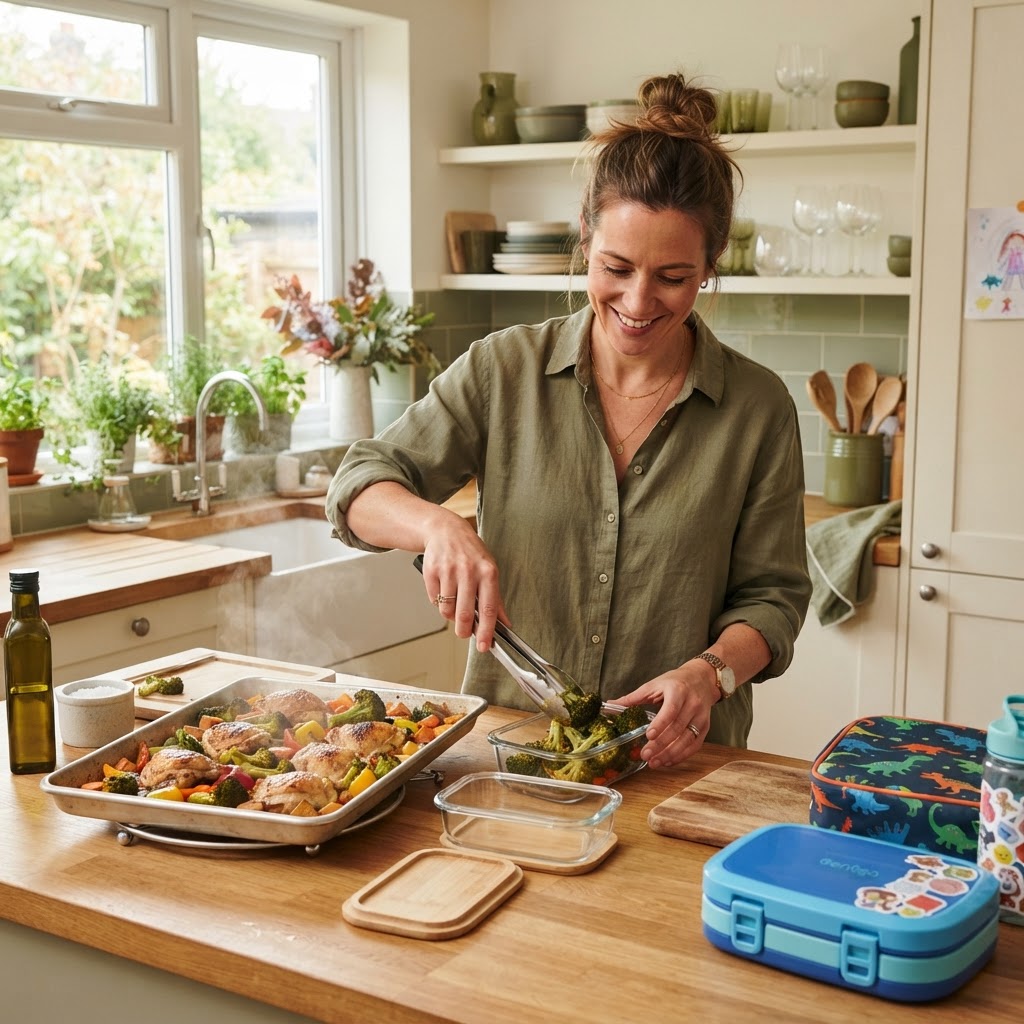
Cook One Base, Feed Five Different Plates
Most families fail at meal prep because they try to cook five different healthy meals on one Sunday. Do the opposite: cook one protein, one grain and one tray of vegetables in bulk, then assemble them differently all week. Chicken becomes tacos on Monday, a rice bowl on Tuesday, a salad on Wednesday and soup on Thursday — with no extra cooking.
Two sheet pans, one pot of grains, and about 90 minutes gets most families through four to five dinners.
- Batch the protein, grain and vegetables separately
- Change the sauce and it tastes like a new meal
- Frozen vegetables are a legitimate shortcut
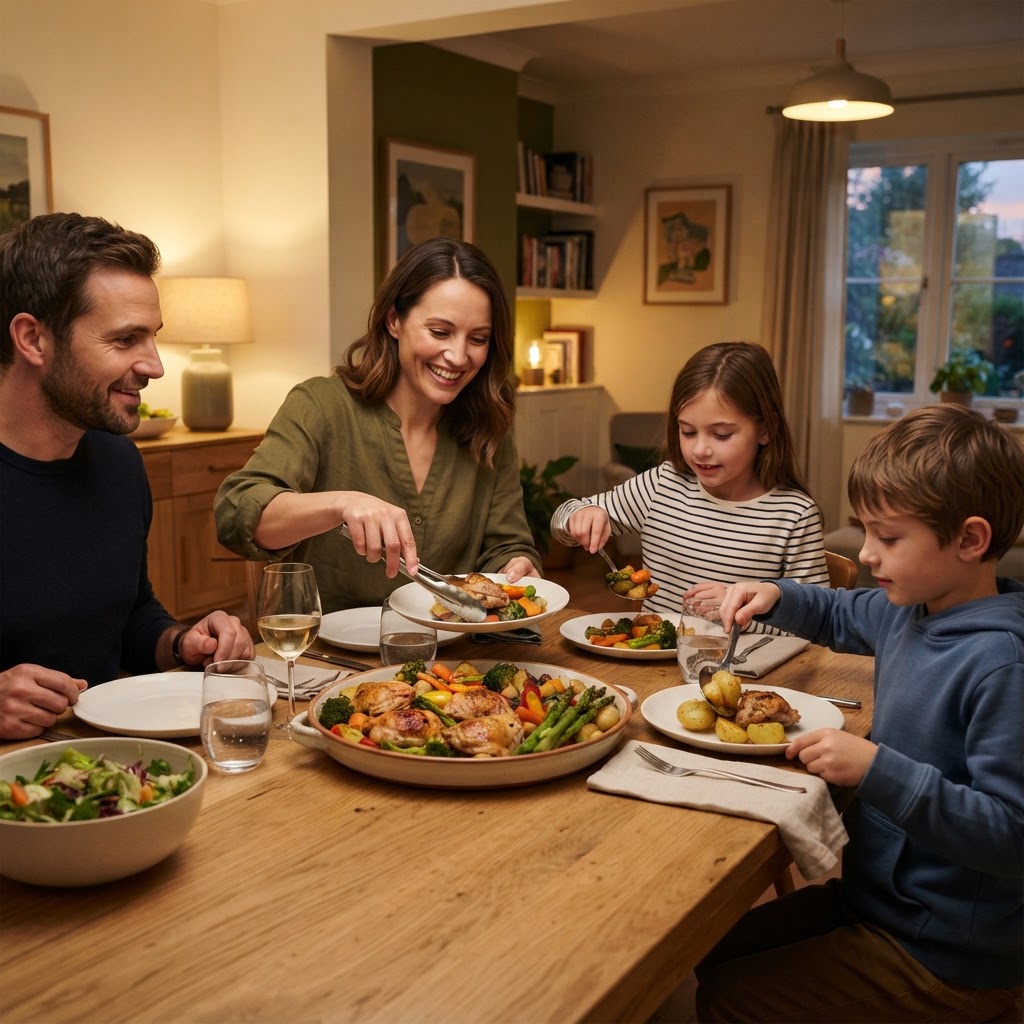
Same Table, Different Portions
You do not need to cook a separate "diet meal" for yourself while the family eats something else — and doing that is the fastest route to giving up. Serve family-style: one platter, everyone takes their own plate. Kids fill up on the same food, and the adult working on weight loss takes a smaller plate, protein first, then vegetables, then starch.
On GLP-1 therapy your appetite can change week to week, so flexibility beats a rigid plan. Protein targets and portion sizes are individualized — your provider sets yours, and this is a starting point rather than a prescription.
- One meal for the whole table, no separate cooking
- Protein and vegetables first, starch last
- Let appetite — not the plate — decide when to stop
The Four-Part Container
Build every container from four parts and you will never stare blankly at the fridge again: a palm-sized protein, a fist of complex carbohydrates, two fists of vegetables, and one sauce or flavor that makes it something you actually want to eat. The first three do the nutritional work — the fourth is why you keep eating it.
Stack your containers on a shelf you can see, at eye level, not hidden in a drawer. Visible food gets eaten; forgotten food gets thrown away.
- Protein, carb, vegetables, flavor — in that order
- Bowl-friendly meals reheat better than plated ones
- Label with the day you plan to eat it
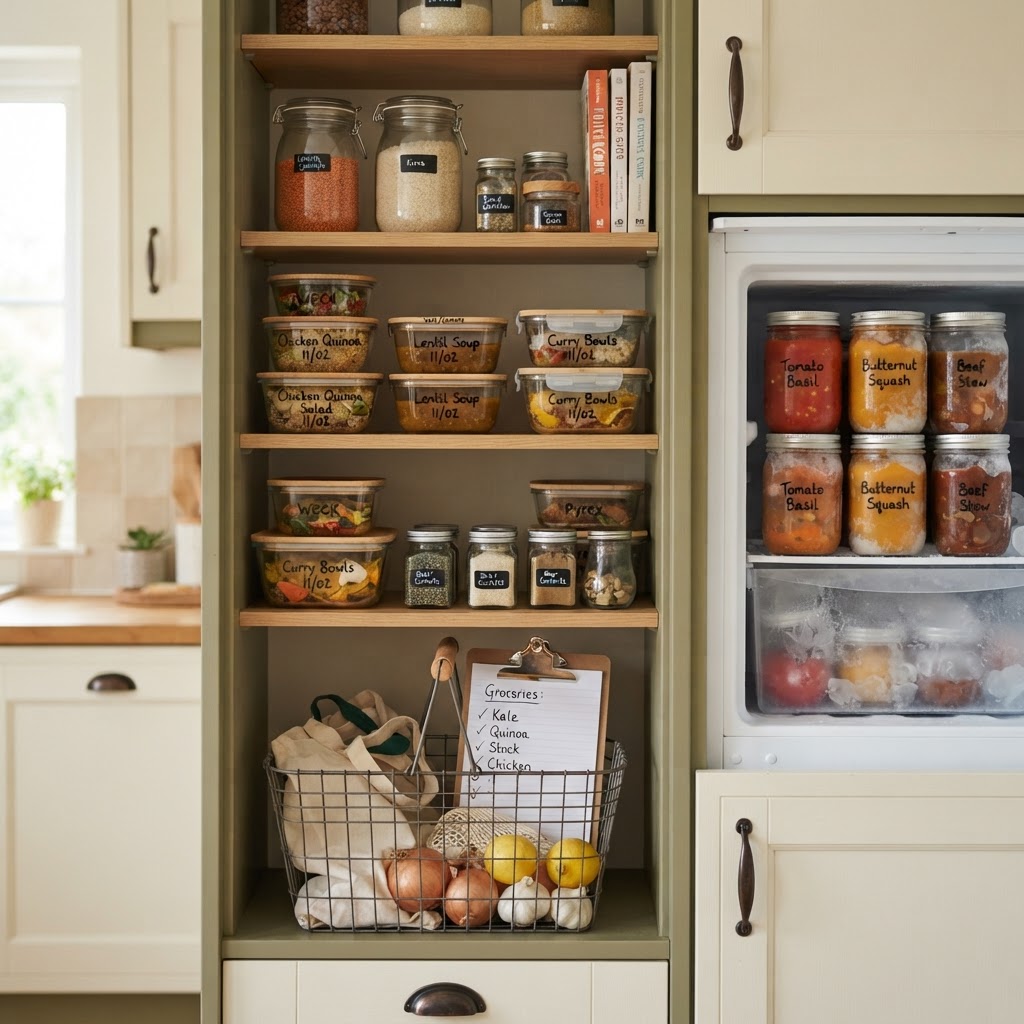
Build a Freezer Backstop
Every week something goes sideways — a late practice, a sick kid, a day that runs to 8pm. The difference between ordering out and eating well is what is already in the freezer. When you cook chili, soup, meatballs or a big tray of taco filling, double it and freeze half in labeled portions.
Aim for four backup meals in the freezer at all times. Reheat one and add a bag of frozen vegetables or a quick salad, and dinner is done in ten minutes.
- Double every batch and freeze half
- Label with the date and what is inside
- Reheat plus fresh vegetables equals a real meal
The 30-Minute Grocery Run
Shop from six short lists and you have everything the week needs. Keep it this simple and you will actually repeat it.
Proteins
Chicken thighs or breast, ground turkey or beef, eggs, shrimp, rotisserie chicken as a shortcut
Produce
Bagged salad, broccoli, peppers, onions, zucchini, berries, apples, lemons
Carbs
Rice, quinoa, potatoes, whole-grain tortillas, oats
Flavor
Salsa, pesto, Greek yogurt, olive oil, spices, low-sugar marinara
Frozen
Frozen vegetables, frozen berries, riced cauliflower, edamame
Breakfast
Greek yogurt, cottage cheese, eggs, whole-grain bread, nut butter
Four Things That Wreck Family Meal Prep
Trying too many recipes at once
Three new recipes in one week is a lot of work and a lot of leftovers nobody touches. Cook one base and vary the sauce.
Skipping the sauce
Plain chicken and broccoli gets old by Wednesday. A sauce, salsa or yogurt dressing costs seconds and saves the whole plan.
Prepping for an appetite that changes
On GLP-1 therapy, appetite shifts week to week. Prep components, not fully assembled portions, so you can scale your plate up or down.
Forgetting the kids' snacks
If the only food in the house is dinner ingredients, the afternoon turns into drive-thru. Add fruit, yogurt, cheese sticks and nuts to the list.
Start With One Sunday
Do not redesign your whole kitchen. Pick one afternoon, cook one protein, one grain and one tray of vegetables, portion them into visible containers, and freeze one backup meal. Do that two weeks in a row and it stops feeling like a project and starts feeling like how your house runs.
If you are doing this alongside medical weight loss, bring your questions to your next check-in — our providers review nutrition and hydration at every visit, and they can tell you whether what you are eating matches the plan you are on.
Protein targets, portion sizes and meal timing on GLP-1 therapy are individualized and set by your provider. This article is general education and is not medical advice or a prescribed nutrition plan.
Related Service
Get a nutrition plan that fits your family
Provider-supervised GLP-1 weight management with weekly check-ins, nutrition coaching and supportive therapies — in office or by telehealth in Sherwood, AR.
Explore Weight Management